
Modern manufacturing is growing fast. Every industry wants better speed, improved accuracy and lower cost. To achieve this level of performance, companies now rely on advanced digital technology. This shift has created the rise of the smart factory. A smart factory is a connected and intelligent environment. That helps manufacturers deliver high quality output with strong reliability and smooth workflow.
Manufacturers know that traditional systems cannot meet today’s competition. You need real time data, automated processes and smart decision making. Smart factory solutions offer all these tools and help companies reach a new stage of manufacturing excellence. This blog explains how smart factory systems work, why they matter and how they transform the future of production.
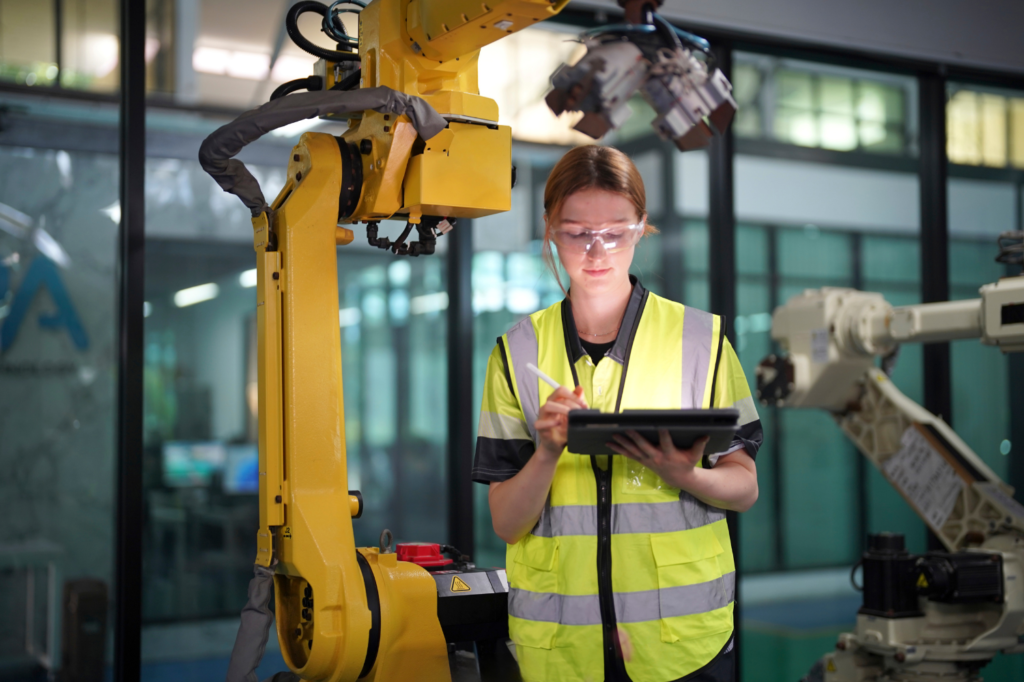
What is a Smart Factory
A smart factory is a modern digital manufacturing setup where machines and software work together to improve performance. It uses technologies like IoT, cloud systems, AI, robotics and automation. These tools help factories use real time data to make better decisions and run operations smoothly.
In a smart factory, machines collect data through sensors. This data includes temperature, vibration, energy use and machine speed. The system then studies this data and gives instant insights. When a machine starts showing unusual behavior the system alerts the team. This helps in faster problem solving and smoother production.
A smart factory reduces manual errors, increases accuracy and gives complete visibility of the manufacturing floor. The goal is to make the entire process more efficient and responsive.
Key Elements that Define a Smart Factory
Smart factory solutions include powerful features that help companies maintain high performance. These features bring speed clarity and consistency to the production line.
Advanced Automation in Smart Factory Operations
Automation is the foundation of a smart factory. Machines perform repetitive or heavy tasks with high precision. Robots support movement, assembly and material handling. This reduces manual labor and improves safety. With automated systems production becomes more stable and predictable. It also increases the overall speed of manufacturing.
Real Time Monitoring for Better Decision Making
A smart factory runs on real time data. Sensors track machine activity and workflow status every second. Supervisors can view this data from anywhere. If there is a small issue, the system shows an alert so it can be fixed quickly.
Real time monitoring helps in better planning. It allows managers to understand which machines need support and which processes must be adjusted. This improves the quality of the final output.
Predictive Maintenance for Zero Downtime
Traditional factories face sudden breakdowns which stop production. A smart factory uses predictive maintenance to solve this problem. Artificial intelligence studies machine behavior and predicts when maintenance is required. This prevents sudden failures and reduces repair cost.
Predictive maintenance keeps machines healthy. It also saves valuable time and reduces stress during peak production days.
Smart Quality Control for Perfect Output
Smart factory solutions improve product quality with automated inspection systems. High resolution cameras and AI software check each product for defects. These tools can spot issues that are too small for human eyes. This ensures that only high quality products reach customers.
Quality control becomes faster and more reliable with a smart factory setup.
How Smart Factory Solutions Improve Manufacturing Excellence
A smart factory brings strong improvement in many manufacturing areas. These advantages push companies toward long term success.
Higher Productivity with Smart Factory Automation
A smart factory speeds up production. Automated systems work without breaks which reduces delays. Digital tools guide the workflow and ensure smooth movement of materials. Teams can finish more work in less time without losing accuracy.
This level of productivity helps companies meet customer demand faster.
Lower Operational Cost and Waste Reduction
Smart factory systems save cost by reducing waste. Predictive maintenance stops expensive breakdowns. Real time data avoids mistakes and reduces production loss. Energy monitoring tools help companies use power more efficiently. All these factors lower total operational cost.
Improved Safety for Workers
Safety is a major advantage of smart factory technology. Robots handle dangerous tasks while sensors keep track of machine conditions. If something goes wrong, the system warns the team instantly. This prevents accidents and keeps the workplace safe.
Better Decision Making with Digital Tools
Smart factory solutions give clear visibility of the entire production line. Managers can check performance, analyze trends and plan improvements. Data driven decisions are faster and more accurate. This helps companies resolve issues early and maintain high quality manufacturing.
Smart Factory Benefits Across Different Industries
Different sectors use smart factory solutions to improve their work.
Automotive Manufacturing
The automotive industry uses smart factory automation for engine assembly welding and inspection. Robots handle heavy work while sensors track performance. This improves consistency and reduces errors.
Electronics and Semiconductor Production
Electronics manufacturing requires precision. Smart factory tools provide automated inspection, clean room monitoring and accurate assembly. This leads to better quality devices.
Food and Beverage Manufacturing
Smart factory systems help maintain hygiene and safety. Automated packaging, temperature control and product tracking make production cleaner and more efficient.
Pharmaceutical Production
The pharmaceutical sector relies on strict guidelines. Smart factory tools ensure every step is recorded, controlled and verified. This creates safe and consistent medicines.
Smart Factory Software and Digital Tools
Technology in a smart factory works through advanced software systems.
Manufacturing Execution Systems (MES)
MES connects planning, production and quality control. It monitors every stage and supports smooth workflow. Teams can track performance in real time.
Industrial IoT Platforms
IoT platforms bring machine data together in one place. They help companies check machine health and find issues instantly. This improves reliability.
AI and Machine Learning Tools
AI tools study data and find patterns. They help with predictive maintenance, scheduling and waste reduction. With time the system becomes smarter.
Digital Twin Technology
A digital twin is a virtual copy of a physical machine. Engineers test improvements on the digital version without stopping real production. This saves time and reduces risk.
Steps to Start Your Smart Factory Journey
Moving toward a smart factory is a step by step process.
Study Current Systems
First understand the strengths and weaknesses of your existing setup. Identify bottlenecks and slow processes.
Set Clear Goals
Decide what your smart factory needs to achieve. Clear goals make implementation easier.
Add Sensors for Data Collection
Install sensors on machines to track performance. This data supports smart decision making.
Adopt Automation Gradually
Start automation where you need it most. Add robots or automated machines to improve stability and speed.
Train Employees
Employees must understand digital tools. Training programs help them work confidently in a smart factory environment.
Challenges in Smart Factory Implementation
The smart factory model is powerful but comes with challenges.
Initial Investment
Smart machines and software require investment. However long term savings make it worthwhile.
Skill Gap
Employees may not be familiar with digital systems. Training solves this issue.
Cybersecurity
Connected systems need strong security. Using advanced protection keeps data safe.
Future of Smart Factory Solutions
The future of manufacturing is fully digital. Smart factory systems will become more advanced with stronger AI and robotics. Production will become faster greener and more intelligent. Companies that adopt smart factory solutions. Now will lead their industries in the coming years.
Conclusion
Smart factory solutions are the foundation of modern manufacturing excellence. They offer automation, real time insights, predictive maintenance and strong quality control. These features help companies cut cost, improve safety and deliver products with high accuracy.
A smart factory is not just technology. It is a complete transformation that prepares manufacturers for the future. With smart systems and smart planning companies can reach higher levels of productivity and long term success.